
As families struggle to secure meaningful special education services, a growing ecosystem of microschools, homeschooling communities, education savings accounts, and specialized learning providers is changing how parents think about their children's education.
For generations, public schools were considered the default educational destination for American families. For parents of children with disabilities, learning differences, and developmental challenges, they were also supposed to provide something more: a federally protected right to individualized educational support.
Under the Individuals with Disabilities Education Act (IDEA), eligible children are entitled to a Free Appropriate Public Education (FAPE), supported through an Individualized Education Program (IEP) designed around their individual educational needs.
But for many families, the experience of accessing those protections looks considerably different from what the law promises.
Parents describe lengthy evaluation processes, disagreements over accommodations, inconsistent implementation of IEPs, staffing shortages, and the emotional exhaustion of repeatedly advocating for services their children need to participate in the classroom.
For some, the relationship with the school district eventually becomes defined less by educational collaboration and more by documentation, meetings, complaints, and legal advocacy.
And increasingly, families are asking a different question:
What if the solution isn't another IEP meeting? What if it's a different educational environment altogether?
This shift is contributing to a broader transformation in American education: the public school exit. For families of neurodivergent children, that decision can be especially consequential.
As alternative education models expand, parents are exploring ways to combine specialized instruction, therapeutic services, smaller learning environments, and flexible educational schedules outside the traditional school system.
The result is an emerging educational landscape in which families are becoming more actively involved in designing how, where, and with whom their children learn.
1. The Institutional Challenge: When Special Education Becomes a Battle for Compliance
The legal framework governing special education is substantial. IDEA establishes requirements for identifying eligible students, evaluating their needs, developing IEPs, and providing appropriate educational services.
Yet the existence of federal protections does not automatically guarantee that families will experience those protections as intended.
One of the most significant challenges facing school districts is the availability of qualified special education personnel.
According to the U.S. Department of Education's January 2025 guidance on special education personnel retention, 45% of schools reported vacancies in special education positions, while 78% reported difficulty hiring special education personnel.
These shortages have implications beyond recruitment statistics. Special education teachers, speech-language pathologists, school psychologists, occupational therapists, and paraeducators play important roles in implementing individualized educational plans.
When positions remain vacant or personnel carry unsustainable workloads, the ability to consistently deliver specialized instruction and support can become more difficult.
The Learning Policy Institute also identified special education as the most commonly reported teacher shortage area nationally for the 2024–25 school year, with 45 states reporting shortages.
For students who depend on individualized instruction, behavioral support, communication services, or classroom accommodations, staffing capacity matters.
The IEP Resource Problem
An IEP is supposed to be an individualized educational plan—not simply a reflection of what a school happens to have available.
However, parents sometimes encounter a disconnect between the accommodations they believe their children need and the services a district proposes to provide.
This can create a difficult dynamic.
A parent may request additional instructional support, a different learning environment, specialized reading intervention, or behavioral services. The school may respond with a proposal that reflects its assessment of the child's needs and the services it believes are appropriate.
When the parties disagree, the IEP process can become adversarial.
The important distinction is that IDEA requires individualized decision-making based on the child's educational needs. A district's staffing limitations do not, by themselves, eliminate its legal obligations.
For parents, however, understanding that legal distinction and successfully enforcing it are two very different experiences.
The Cost of Challenging a School District
When parents believe an IEP is inadequate or services are not being implemented, they have several avenues available, including written complaints, mediation, and due process proceedings.
These protections are important, but navigating them can be complicated.
A 2019 Government Accountability Office report examining IDEA dispute resolution found that 35,142 special education disputes were filed nationwide during the 2016–17 school year. The GAO also identified potential barriers to dispute resolution, including legal costs, language barriers, and concerns about retaliation.
Not every disagreement requires an attorney or a formal hearing. State complaints and mediation can provide alternative pathways.
Nevertheless, the burden of understanding procedural safeguards, gathering educational records, obtaining independent evaluations, and documenting alleged violations can be substantial.
For families already managing the demands of raising a child with additional educational or developmental needs, the advocacy process can become another full-time responsibility.
For some parents, leaving the system begins to look less like an educational preference and more like a way to regain control.
2. The Financial Catalyst: Education Savings Accounts and the Decentralization of Learning
Historically, leaving public school was financially difficult for families whose children required specialized educational support.
Private schools, independent tutors, occupational therapy, speech services, behavioral support, and adaptive technology can quickly become expensive.
For many households, the public school system was not necessarily their preferred environment. It was simply the only financially accessible option.
Education Savings Accounts (ESAs) are changing that conversation.
Across several states, ESA programs allow eligible families to access designated education funding through accounts that can be used for approved educational expenses.
Depending on the state, eligible expenses may include:

Private school tuition.
Specialized tutoring and instructional services.
Educational assessments.
Curriculum and instructional materials.
Educational technology.
Certain therapies and disability-related services.
Homeschooling expenses.
The National Conference of State Legislatures describes ESAs as a mechanism for directing state education funding into authorized accounts for eligible students.
Importantly, these programs are not uniform. Eligibility, funding amounts, approved expenses, disability-related weighting, and application requirements vary considerably by state.
The Rise of Weighted Education Funding
Some state programs provide additional funding for students with disabilities or other qualifying educational needs.
This approach recognizes that educating a student who requires specialized instruction and additional services may involve expenses beyond those associated with a standard educational program.
However, there is no single national disability funding schedule. A student receiving additional ESA funding in one state may qualify under entirely different criteria from a student in another.
For families, the practical significance is that specialized education is no longer necessarily tied to purchasing one expensive private-school placement.
Instead, eligible parents may be able to combine several approved educational resources.
The Modular Education Model
Imagine a student with dyslexia who struggles in a conventional classroom but responds well to individualized instruction.
Rather than relying on one institution to provide every component of the educational experience, a family might construct a learning schedule that includes:
A structured literacy tutor trained in evidence-based reading instruction.
A small homeschool learning community.
Online mathematics instruction.
Specialized assistive technology.
Approved occupational or other educational support services.
For a student with autism, an educational arrangement might incorporate a smaller learning environment, predictable routines, individualized academic instruction, and appropriate sensory accommodations.
The family effectively becomes the coordinator of an educational network.
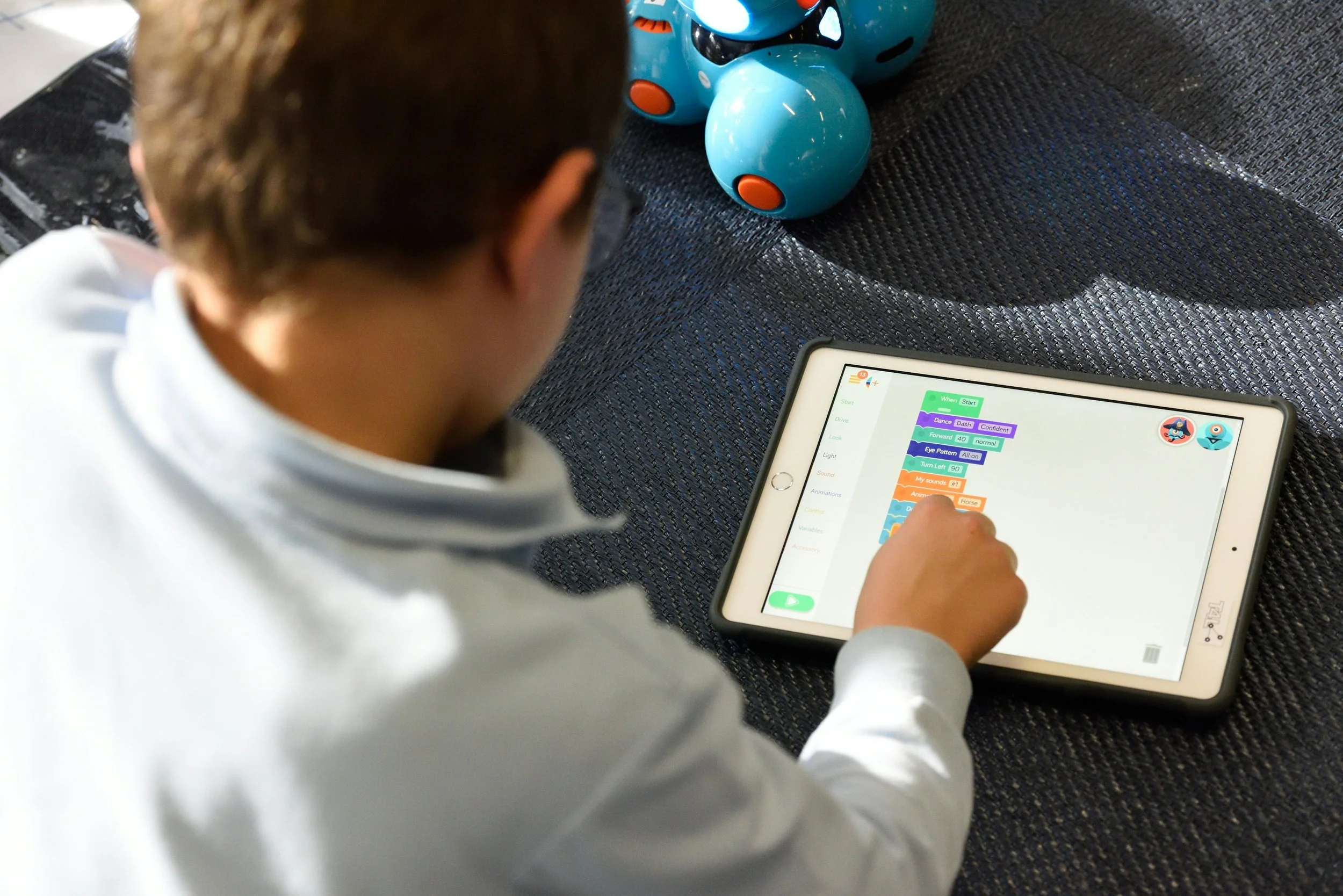
This model represents a significant philosophical shift: education is no longer necessarily viewed as a single institution delivering every service, but as a collection of resources that can be assembled around an individual learner.
There is an important legal distinction: IDEA funding does not automatically follow a child into a privately selected school or homeschool. Parentally placed private-school students generally have different rights to publicly funded special education services than students enrolled in public schools. State ESA programs operate under separate state-specific rules.
Families must understand those differences before assuming that leaving a public school preserves their child's existing IEP services.
3. The New Educational Ecosystem: Microschools, Homeschool Cooperatives, and Neuro-Inclusive Learning
As families explore alternatives, the educational marketplace is expanding beyond conventional private schools and traditional homeschooling.
One particularly interesting development is the growth of microschools.
Unlike traditional schools, microschools typically serve smaller groups of students, often combining individualized instruction, project-based learning, flexible scheduling, and community-based educational experiences.
They can operate independently, within homeschool networks, or as part of larger education organizations.
Neuro-Inclusive Microschools
For some neurodivergent students, the physical and social demands of a large school environment can create significant barriers to learning.
Noise, crowded hallways, unpredictable transitions, lengthy instructional periods, and complicated social dynamics may interfere with concentration and participation.
A smaller learning environment can offer a different experience.
Depending on the program, students may benefit from:
Smaller instructional groups.
Flexible learning schedules.
Reduced environmental stimulation.
Individualized academic pacing.
More direct communication with educators.
Greater flexibility around breaks and transitions.
Project-based and experiential instruction.
The National Microschooling Center's 2025 sector analysis offers an interesting snapshot of this emerging market.

Among the microschools surveyed, 74% reported serving neurodivergent students, 63% served students performing at least two grade levels below their state's defined proficiency level, and 46% reported serving students with other special needs.
These figures describe the populations served by participating microschools, not the percentage of all neurodivergent students attending microschools.
Nevertheless, they suggest that small educational environments are increasingly positioning themselves to serve students who may not thrive in conventional classroom settings.
Homeschool Cooperatives: Education Without Isolation
One concern parents often have when considering homeschooling is social development.
Traditional homeschooling once carried the perception that children would spend most of their educational lives learning independently at home.
That model is changing.
Homeschool cooperatives allow families to pool educational resources, organize group instruction, participate in extracurricular activities, and create shared learning experiences.
Some communities offer science laboratories, art classes, physical education, field trips, group projects, and specialized academic instruction.
For neurodivergent students, these environments can provide opportunities to build friendships and practice social skills within smaller, potentially more predictable settings.
The distinction is important: neurodivergent children do not necessarily need less social interaction. They may benefit from social environments that are more supportive of their individual communication styles and sensory needs.
The Emerging Role of Immersive Technology
Technology is also creating new possibilities for alternative learning environments.
Virtual reality, interactive simulations, adaptive learning platforms, and artificial intelligence-assisted educational tools are expanding the ways students can access information.
For some neurodivergent learners, carefully designed digital environments may provide opportunities to practice skills, explore academic concepts, and participate in collaborative activities.
Virtual simulations could eventually support structured practice in areas such as navigating unfamiliar environments, rehearsing social interactions, and developing problem-solving skills.
However, VR should be viewed as a potential educational tool rather than an established replacement for in-person instruction, occupational therapy, speech therapy, or evidence-based behavioral interventions.

Its effectiveness depends on the student, the application, and the quality of implementation.
The larger development is not that technology is replacing schools. It is that technology is making it increasingly possible to separate learning from a single physical location.
4. The Public School Exit: What Happens When Families Leave?
The movement away from traditional public schools is part of a broader shift in American K–12 education.
Homeschooling has continued to grow beyond the initial pandemic disruption.
According to research from Johns Hopkins University's Homeschool Hub, homeschooling increased by an average of 4.9% across reporting states during the 2024–25 school year. Thirty-six percent of reporting states recorded their highest homeschool enrollment numbers to date.
Meanwhile, microschools and other alternative learning models are developing new ways to serve families seeking more personalized educational experiences.
For families of neurodivergent students, these options may represent more than a change in instructional style.
They can represent a change in who makes educational decisions.
Instead of relying exclusively on a district's staffing structure, parents may have greater flexibility to select instructional providers, establish learning schedules, and seek environments that better accommodate their children's needs.
But this flexibility comes with trade-offs.
Homeschooling requires time, planning, and parental involvement. Private educational services can be expensive. ESA programs have eligibility restrictions and administrative requirements. Microschools vary widely in qualifications, accountability, and specialized support.
Not every alternative program can provide the level of services available through a comprehensive public special education program.
For children with significant disabilities, medically complex needs, or intensive support requirements, finding an appropriate alternative can be particularly challenging.
The public school exit is therefore not a universally accessible solution.
It is an expanding set of choices whose accessibility depends heavily on family resources, state policy, and the availability of qualified providers.
5. The Financial Pressure on Public School Districts
As enrollment patterns change, public school districts are also confronting financial and operational challenges.
In many states, public education funding is tied partly to enrollment or average daily attendance. When students leave, districts may eventually experience reductions in funding.
However, the relationship between declining enrollment and school closures is more complicated than a simple loss of students.
Districts must continue paying for buildings, transportation, staffing, maintenance, and other fixed expenses even when enrollment declines.
A 2025 study published through the IZA research network found a strong association between recent enrollment declines and the likelihood of permanent public school closures.
In California, the relationship between attendance and funding is particularly important. The state's Local Control Funding Formula relies heavily on average daily attendance, although certain funding protections and averaging provisions can soften the immediate effect of declining attendance.
The California Legislative Analyst's Office reported that statewide enrollment for school districts and charter schools declined approximately 1.2% in 2025–26 compared with the previous year.
These trends are contributing to difficult financial decisions for school systems.
But it would be inaccurate to attribute public school closures exclusively to families leaving because of special education failures.
Birth rates, residential migration, housing costs, post-pandemic enrollment changes, operating expenses, and local budget conditions all influence district finances.
The more significant question is what happens when declining enrollment intersects with growing demand for specialized educational services.
A Changing Competition for Families
Public schools are no longer competing only with neighboring districts and private schools.
They are increasingly operating within a broader educational marketplace that includes:
Independent microschools.
Charter schools.
Homeschool cooperatives.
Online academies.
Private specialized education providers.
State-supported education savings programs.
Some districts are responding with virtual academies, hybrid learning options, expanded independent study, and specialized instructional programs.
These developments suggest that the future of public education may involve more flexible delivery models, even within publicly funded systems.
The competition is no longer exclusively about which school has the best facilities or extracurricular programs.
For many families, it is about which educational environment can provide the right combination of academic instruction, flexibility, accessibility, and specialized support.
6. The Equity Question: Who Can Actually Afford to Leave?
Perhaps the most important issue surrounding the neurodivergent flight is educational equity.
Families with substantial financial resources have historically been better positioned to leave a school environment that does not meet their children's needs.
They can hire private tutors, obtain independent educational evaluations, pay for specialized therapies, and enroll their children in private schools.
Families without those resources often have fewer alternatives.
This creates a potential divide between parents who can purchase a customized educational experience and those who must rely on the services available through their local school district.
Education savings accounts may help reduce that divide, depending on program eligibility and funding levels.
But access to an ESA does not automatically create access to a qualified reading specialist, an appropriately trained behavioral professional, a neuro-inclusive microschool, or a comprehensive special education program.
Geography matters. Provider availability matters. Transportation matters. Parental work schedules matter.
There is also a broader concern about accountability.
Public schools operate under extensive federal and state requirements. Alternative educational providers may operate under very different regulatory frameworks.
Parents need to know whether an alternative program has qualified educators, appropriate student protections, meaningful academic assessments, and the capacity to support their child's specific needs.
Educational freedom is meaningful only when families have access to safe, appropriate, and effective educational opportunities.
7. The Future of Special Education May Be More Decentralized
The neurodivergent flight raises a fundamental question about the future of American education.
For decades, the dominant model assumed that schools would provide a centralized location for academic instruction, specialized services, social development, and student support.
But families are increasingly exploring whether those responsibilities can be distributed across multiple providers and educational environments.
A child might receive academic instruction through a microschool, specialized reading intervention through an independent provider, and participate in a homeschool cooperative for social and extracurricular activities.
Another student might thrive in a traditional public school with a properly implemented IEP and access to qualified specialists.
There is no single educational model that works for every child.
The larger opportunity is to create a system in which educational environments are responsive to students rather than expecting every student to adapt to one institutional structure.
For public schools, that may mean improving special education staffing, strengthening family engagement, implementing IEPs consistently, and expanding flexible learning options.

For alternative education providers, it means developing programs that are genuinely equipped to serve students with disabilities rather than simply marketing themselves as smaller or more personalized.
For policymakers, it means examining whether funding mechanisms, disability protections, and educational accountability systems are keeping pace with the changing needs of families.
Conclusion: The Public School Exit Is About More Than School Choice
The growing interest in homeschooling, microschools, education savings accounts, and alternative learning environments represents something larger than a shift in educational preference.
For many families of neurodivergent children, the conversation begins with a much more personal concern: finding an environment where their child can learn, develop, and participate without constantly having to fight for the support they need.
IDEA established an important legal foundation for students with disabilities. But the effectiveness of those protections depends on implementation, qualified personnel, meaningful collaboration, and the ability of families to navigate the system.
When those elements break down, parents begin looking elsewhere.
The future of special education may not be defined by the complete disappearance of traditional public schools. It may instead be shaped by a growing expectation that families should have access to multiple educational pathways, including public schools capable of delivering individualized services and alternative environments that provide different forms of support.
Ultimately, the measure of an educational system should not be how many students it can fit into a standardized model.
It should be whether children have meaningful opportunities to learn and reach their potential.
For a growing number of families, that question is changing the definition of what school can look like.