
Millions of Kids Are Now Eligible for a $1,000 Trump Account — Here’s How It Works

October 1, 2026, marked a major new development in the federal government’s Trump Accounts program — and it could affect millions of American families.
The U.S. Department of the Treasury announced October 1 that it had completed the automatic enrollment of more than 60 million eligible children into Trump Accounts, a new type of tax-advantaged investment account created for children under age 18.
The change is significant because families no longer have to take the first step of opening an account themselves just to have an account established. Instead, Treasury has created accounts for eligible children automatically.
But there is an important catch: parents and guardians still need to claim the account, and eligible children must have their accounts claimed in order to receive the government's one-time $1,000 contribution.
What exactly is a Trump Account?
Trump Accounts were created under the Working Families Tax Cuts legislation enacted in 2025. They are a new type of traditional individual retirement account (IRA) established for the benefit of a child.
The account belongs to the child, while a parent or other authorized adult serves as the custodian while the child is a minor.
The goal is to give children an early opportunity to participate in long-term investing and benefit from decades of potential compound growth.
According to the official Trump Accounts website, the accounts are designed to help children build wealth that could eventually be used for purposes including education, buying a home or retirement.
The biggest change: automatic enrollment
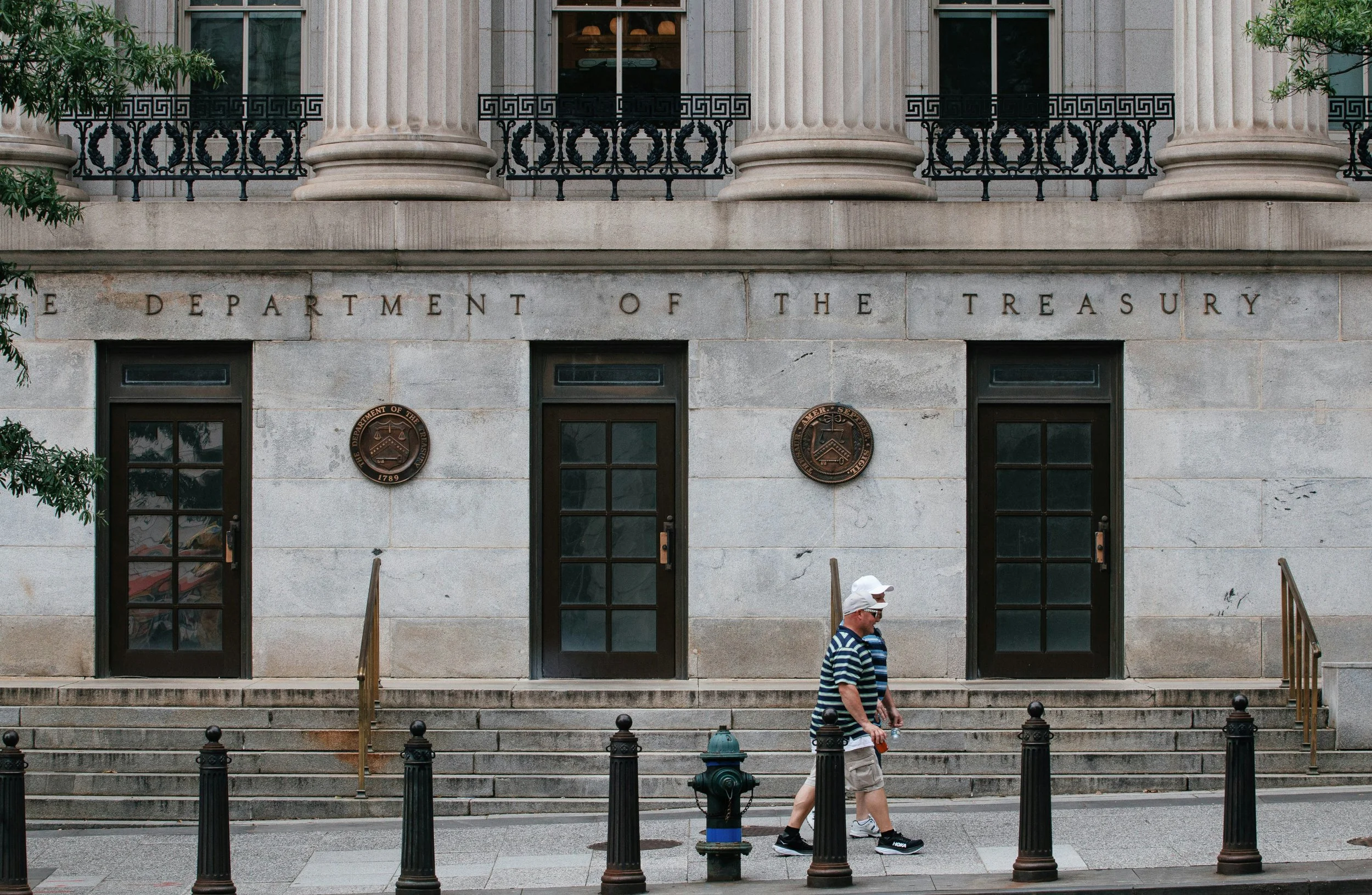
Department of the Treasury
Previously, parents or guardians generally had to take action to establish a Trump Account for their child.
That changed on October 1, 2026.
Treasury announced that every eligible child under 18 with a valid Social Security number now has a Trump Account ready to be claimed if an account had not already been established.
Treasury Secretary Scott Bessent said that automatic enrollment means that more than 60 million additional eligible children now have an account available to them.
The Securities and Exchange Commission also confirmed that Treasury determined it was in the interest of eligible children to use its authority to automatically establish accounts for children who had not already had one created. Treasury designated The Bank of New York Mellon (BNY) to serve as financial agent and trustee for the automatically created accounts.
Does that mean parents don't have to do anything?
Parents still need to claim the account.
This distinction is important.
Automatic enrollment means Treasury has established the account. It does not mean the parent has completed the process of taking control of it.
According to Treasury, a parent or guardian must claim the child's account in order to:
Manage the account
Verify their identity and relationship to the child
Accept the account terms
Allow family members and friends to contribute
Allow eligible employers to contribute
Make sure the child qualifies for the $1,000 Treasury contribution
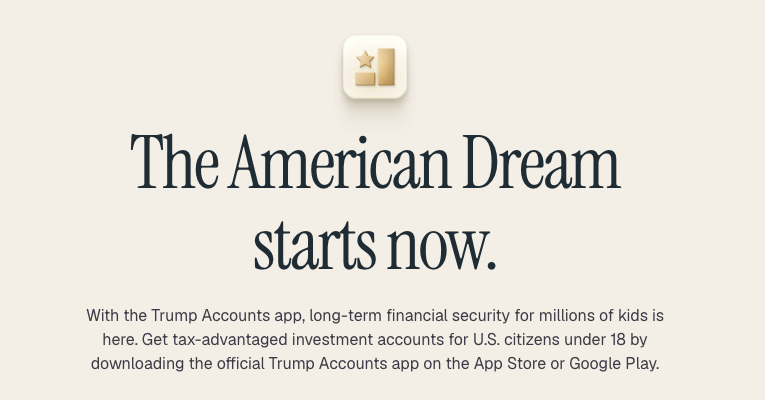
Who gets the $1,000?
One of the most talked-about features of Trump Accounts is the $1,000 contribution from the U.S. Treasury.
However, the $1,000 is not simply deposited into every child's account regardless of age or circumstances.
Treasury says parents can claim automatically enrolled accounts through the official Trump Accounts app.
The pilot contribution applies to eligible children who are:
U.S. citizens
Born between January 1, 2025, and December 31, 2028
Have a valid Social Security number
Have an eligible Trump Account election/claim completed
The Treasury specifically states that an eligible child's account must be claimed in order to receive the one-time $1,000 contribution.
That means families with babies born in 2025, 2026, 2027 or 2028 may want to pay particular attention to the new automatic-enrollment process.
How much can parents contribute?

Trump Savingds Account
The government contribution is only the beginning.
Families can contribute additional money to a child's Trump Account, with the official Trump Accounts website currently stating that families can contribute up to $5,000 per year.
Parents don't have to contribute $5,000, of course. Even smaller recurring contributions could potentially benefit from many years of investment growth.
For example, contributing $25, $50 or $100 a month from a child's early years could give the money significantly more time to compound than if the same amount were invested when the child is an adult.
The actual investment return is not guaranteed, however, and investment values can rise and fall.
Where is the money invested?
Trump Accounts are investment accounts rather than traditional bank savings accounts.
Treasury announced that the initial default investment is the State Street SPDR Portfolio S&P 500 ETF (SPYM). Treasury has also announced additional low-cost index ETF options, including funds from Vanguard, BlackRock's iShares and State Street.
The investment rules are designed to emphasize diversified investments in primarily U.S. companies and limit fees during the account's growth period.
That means parents should understand an important distinction:
This is not a guaranteed-interest savings account. It is an investment account.
The balance can fluctuate with the market.
What happens when the child turns 18?
The account ultimately belongs to the child.
According to the official Trump Accounts website, when the child reaches 18, the account becomes theirs to control.
The child can continue allowing the money to grow or may be able to withdraw funds for purposes such as education or a home, subject to the tax rules governing the account.
This is one reason the program is being described by Treasury as a way to give children a financial head start rather than simply providing a short-term cash benefit.
Why October 1 matters
The October 1 announcement represents a substantial expansion of the program.
Earlier in 2026, families had to actively participate in the enrollment process. Treasury's new automatic-enrollment system changes that by making an account available for millions of children who otherwise might never have been enrolled.
Treasury described the development as a pathway toward giving more children access to long-term financial security and creating opportunities for contributions from families, employers and philanthropic organizations.
The administration has also emphasized the financial-literacy component of the program. The Trump Accounts platform includes educational resources intended to teach children and families about saving, investing, compound growth and financial markets.
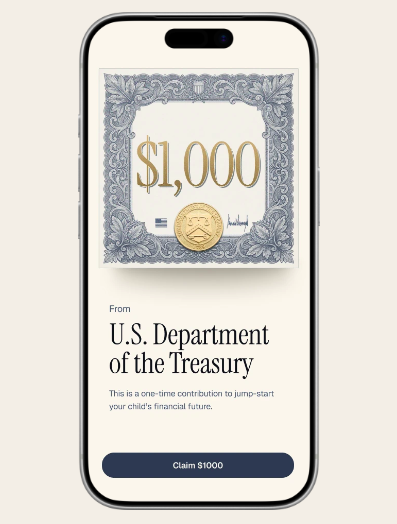
Trump Accounts App
What parents should do now
If you have a child under 18, the October 1 development means it may be worth checking whether your child's Trump Account is ready to be claimed.
Parents should use the official government website or official app, rather than responding to unsolicited messages or advertisements claiming to offer access to the program.
Treasury has specifically warned families about scams surrounding Trump Account enrollment and activation. The department says it will not ask parents to provide passwords, one-time verification codes or other sensitive credentials through email, text or phone calls.
The official place to start
Trump Accounts — U.S. Department of the Treasury
Official Trump Accounts website — TrumpAccounts.gov
The official site provides information about eligibility, automatic enrollment, claiming an account, contributions, investments and the official mobile application.
You can also read Treasury's October 1 announcement directly:
U.S. Treasury: October 1, 2026 Trump Accounts announcement
The bottom line
The biggest news isn't simply that the federal government created a new investment account for children.
The biggest change as of October 1, 2026, is that Treasury has moved to automatic enrollment.
More than 60 million children now have Trump Accounts established and waiting to be claimed.
For parents, the next step is not necessarily opening a brand-new account from scratch. Instead, families should check the official system, claim the child's account if eligible, and make sure the child receives the $1,000 Treasury contribution when applicable.
For families with young children — particularly children born between 2025 and 2028 — this could become a meaningful long-term financial asset if the account is claimed and allowed to grow over many years.
And perhaps the most interesting part of the program is the concept behind it: giving children an investment account at the beginning of life and allowing time and compound growth to do much of the work.
This article is for informational purposes and is not financial or tax advice. Families should review the official Treasury and IRS guidance for their individual circumstances.