
Federal Court Ruling Could Reshape Religious Charter School Debate Nationwide
September 24, 2026

A recent federal court ruling in Oklahoma has reignited a national debate over school choice, religious freedom, and the use of public funds for religious education. On September 24, a federal judge cleared the way for a Jewish charter school to pursue participation in Oklahoma’s public charter school program, challenging a state requirement that charter schools remain nonsectarian. The decision could have implications for school choice policies and the relationship between religion and public education across the country.
A Landmark Development for Religious School Choice
The case involves the National Ben Gamla Jewish Charter School Foundation, which sought to establish a virtual Jewish charter school in Oklahoma. The state’s charter school authorities had rejected the application, citing a legal requirement that charter schools be nonsectarian.
The foundation challenged that restriction, arguing that excluding a school because of its religious character violated the First Amendment’s protection of the free exercise of religion.
U.S. District Judge David Russell granted the foundation’s request for a preliminary injunction, blocking the state from excluding the organization from the charter school program solely because of its religious identity. The ruling allows the case to proceed while providing a pathway for the proposed school to seek participation in the program. It does not represent a final resolution of the underlying legal dispute. Source: Reuters.
Why the Decision Matters for School Choice
Charter schools occupy a distinctive position in American education. Although they often operate with greater independence than traditional public schools, they are publicly funded and generally subject to requirements governing public education.
The Oklahoma case raises a central question: Can a state exclude an otherwise eligible charter school from a publicly funded program solely because the school incorporates religious instruction?
The judge's ruling favors the school's argument that such an exclusion violates the Free Exercise Clause of the First Amendment. The decision also highlights the continuing legal tension between the constitutional protection of religious exercise and the Establishment Clause, which limits government establishment or endorsement of religion.
For school choice advocates, the ruling may represent an important development in efforts to expand educational options for families seeking faith-based instruction. For opponents, it raises concerns about whether public funding should support schools that incorporate religious teachings.
The outcome could influence how other states approach religious charter school applications, particularly where state constitutions or statutes impose restrictions on religious involvement in publicly funded education.

Supporters and Opponents Raise Competing Concerns
Supporters of the proposed school argue that religious organizations should not be excluded from educational programs simply because they are religious. They contend that equal treatment under the law should extend to faith-based education providers when those providers meet the applicable requirements for participation.
Opponents have raised concerns about the constitutional boundaries between public education and religious instruction. Attorneys representing intervening Oklahoma residents, including families and other community members, have argued that charter schools are public schools and should remain secular. They have also expressed concerns about the implications of using taxpayer funds to support religious education.
These competing arguments reflect a broader national debate about whether school choice policies should provide access to religious schools through public funding and, if so, what legal safeguards should apply.
The dispute is especially significant because the Oklahoma Statewide Charter School Board did not oppose the request for preliminary relief. The principal opposition came from groups of Oklahoma residents who intervened in the case. Source: Education Week.
The Connection to Previous Religious Charter School Litigation
The case follows an earlier legal dispute involving St. Isidore of Seville Catholic Virtual School, which sought to operate as a publicly funded religious charter school in Oklahoma.
In 2024, the Oklahoma Supreme Court ruled against the proposed Catholic charter school. The case subsequently reached the U.S. Supreme Court, which divided 4–4 in 2025, leaving the state court's decision in place.
The Ben Gamla case presents related constitutional questions but involves a separate school applicant and a different federal court proceeding. The recent preliminary injunction therefore does not automatically overturn the earlier state court ruling or settle the broader issue nationwide.

Instead, it adds another significant development to ongoing litigation over religious participation in public education programs. The case may proceed through additional judicial review, potentially bringing the dispute before the federal appeals courts and, eventually, the U.S. Supreme Court.
What This Means for Families and Education Policymakers
For families, the debate centers on the types of educational options available to them and whether public funding can be used to support schools that reflect their religious beliefs.
For policymakers, the case raises practical questions about charter school eligibility, oversight, accountability, and the constitutional responsibilities of public education authorities.
If the ruling ultimately survives further legal challenges, it could affect how states evaluate applications from religious organizations seeking to establish charter schools. However, the decision does not mean that all religious schools are automatically eligible for public funding, nor does it eliminate other legal and operational requirements that charter schools must satisfy.
The distinction between a preliminary injunction and a final judgment is particularly important. The court has temporarily restricted enforcement of the nonsectarian requirement against the plaintiffs while the litigation continues. The broader legal questions remain subject to further proceedings.
What Comes Next?
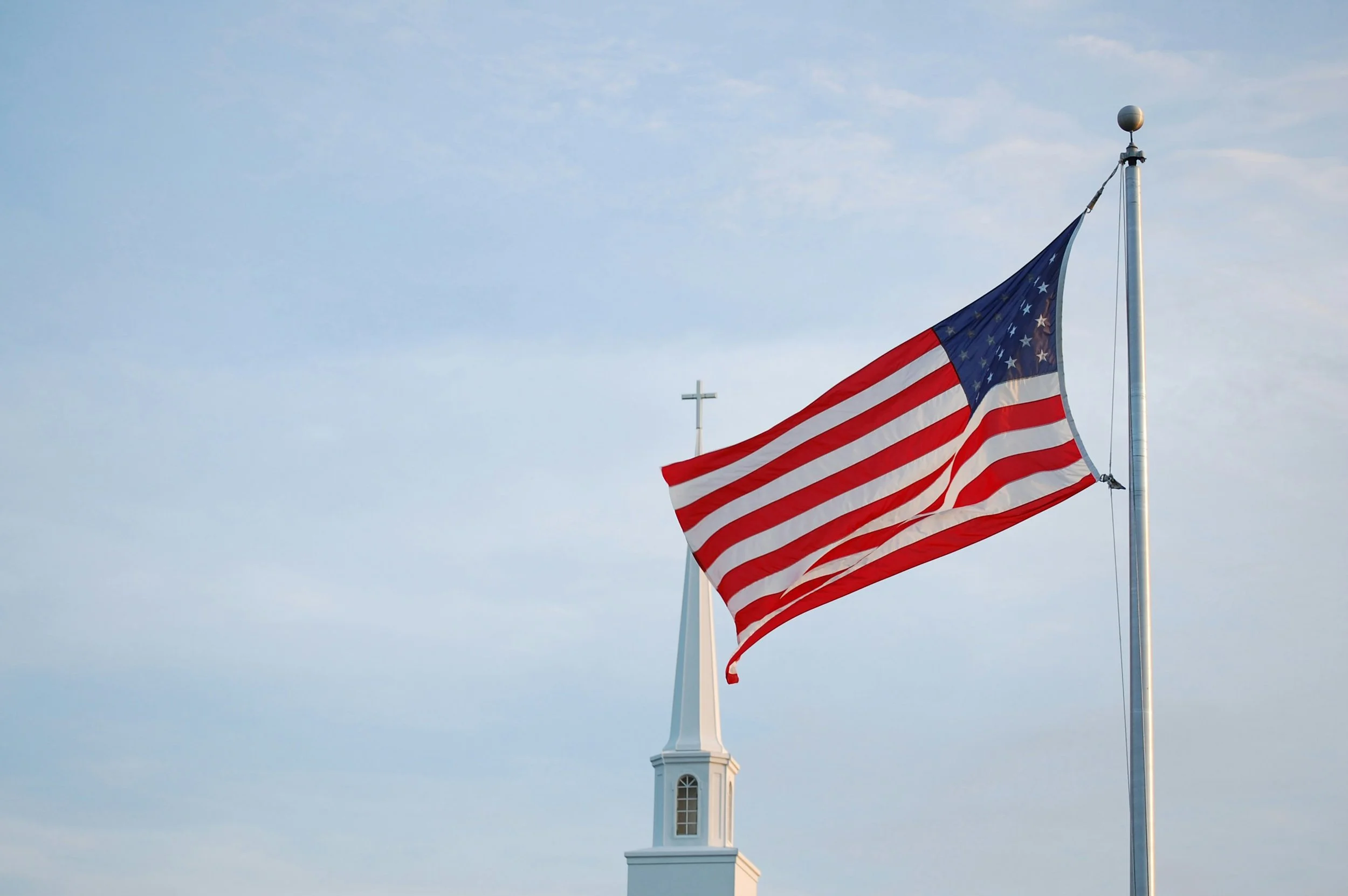
The future of religious charter schools will depend in part on how courts resolve the constitutional questions raised in Oklahoma. Further litigation could clarify whether religious charter schools may operate as public schools, how public funding can be provided, and what responsibilities states have when administering charter school programs.
The decision is also likely to remain part of the wider school choice conversation as states consider education funding policies, parental choice, and the role of religious institutions in publicly supported education.
For now, the Oklahoma ruling represents a significant development in an unresolved national debate. Its long-term impact will depend on the outcome of the ongoing case and whether other courts adopt similar reasoning.
As school choice policies continue to evolve, the Ben Gamla case illustrates how questions about educational access, religious liberty, and public accountability can intersect—and why the legal decisions surrounding these issues deserve continued attention.
Sources for publication
Reuters — Oklahoma must allow taxpayer-funded religious charter school, judge rules —reporting on the ruling and the competing legal arguments.
Education Week — Federal Court Ruling Paves Way for Jewish Charter School in Oklahoma —additional background on the application and the case.
Full court decision via FindLaw — the September 24, 2026, preliminary injunction order.