
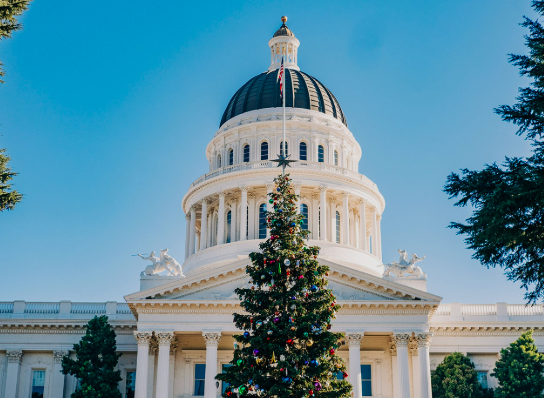
California lawmakers recently convened a hearing examining the state's medical vaccine exemption system, bringing renewed attention to a debate that extends beyond public health and into the broader conversation about parental choice, educational access, and the changing landscape of public education.
On November 12, 2026, the California Senate Health Committee held an informational hearing in San Diego titled Medical Exemptions for Immunization Requirements: What Do the Data Say?
The hearing examined California's medical exemption approval and revocation process, physician oversight, and the experiences of families navigating the system.
While the hearing did not directly address California's declining public school enrollment, testimony from parents and advocates raised questions about what happens when children cannot access traditional schooling because of medical exemption requirements.
The timing is notable. California is experiencing a prolonged decline in public school enrollment, while homeschooling, charter schools, and other alternative education models have become increasingly important parts of the state's educational landscape.
For families exploring options outside conventional public education, the hearing raises a larger question: How do state policies affect a family's ability to choose where and how their children are educated?
Sources: California Senate Health Committee – November 12 hearing | Full hearing transcript – Digital Democracy
Inside California's November 12 vaccine exemption hearing
The Senate Health Committee hearing brought together state public health officials, medical professionals, researchers, advocacy organizations, and members of the public.
Among those presenting were California State Public Health Officer Dr. Erica Pan, representatives of the Medical Board of California, physicians, and researchers.
The hearing was convened following questions raised during earlier legislative discussions surrounding SB 1377, introduced by Senator Brian Jones in 2026. That legislation sought to substantially change California's medical exemption oversight framework.
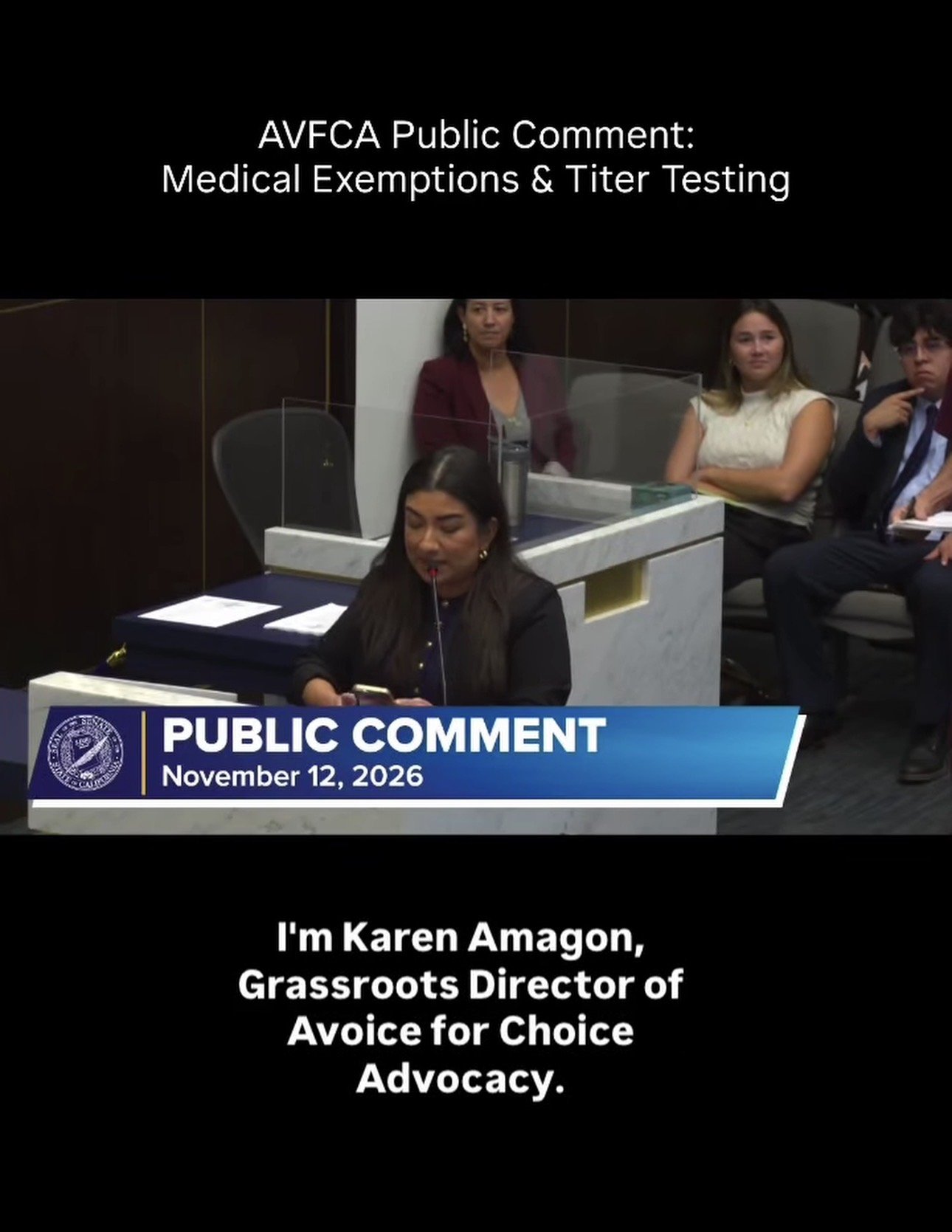
Senate Health Committee Chair Senator Akilah Weber Pierson explained that the purpose of the November hearing was to examine the available data, hear directly from physicians and implementing agencies, and determine whether the current process has unintended consequences warranting further attention.
A central part of the discussion focused on the state's oversight of medical exemptions issued by physicians.
According to the California Department of Public Health presentation provided to the committee, as of October 31, 2026:
33,019 medical exemptions had been issued since the CAIR-ME system launched in January 2021.
21,416 exemptions, or approximately 65%, had been reviewed.
3,090 exemptions, approximately 9% of all those issued, had been revoked.
876 revocations had been appealed.
Of those appeals, 693 were denied, 132 were overturned in favor of the family, 20 were withdrawn, and 31 remained pending.
The department explained that exemptions may be reviewed when a school's immunization rate falls below 95%, when required reporting is not submitted, when a physician issues five or more medical exemptions in a year, or when a review is otherwise considered necessary to protect public health.
These numbers became an important part of the discussion surrounding whether California's existing oversight system is appropriately balancing medical judgment and public health protections.
Sources: CDPH presentation to the Senate Health Committee, September 2026, updated figures through October 31 | Senate hearing background paper
Parents raise concerns about educational access
While much of the hearing focused on medical standards and exemption oversight, public testimony brought forward another issue: the potential educational consequences for families navigating the system.
Parent advocates described difficulties obtaining medical exemptions for children with complex medical histories and raised concerns about what happens when exemptions are denied or revoked.
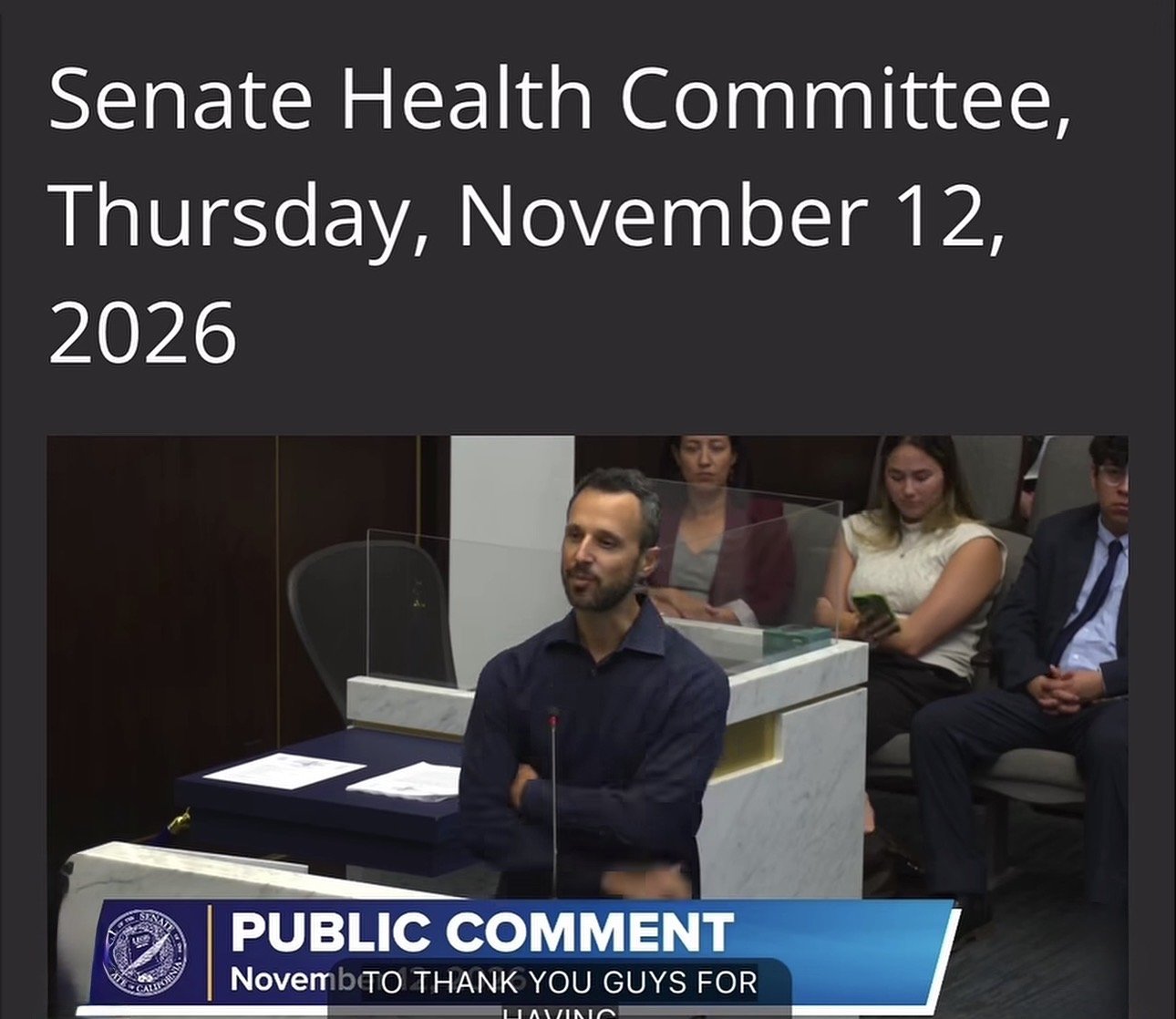
Aimee Rickabas, identified in the hearing transcript as an advocate, was among those who spoke during public comment. Other parents and advocates also shared concerns about the exemption process and its effects on families.
These accounts illustrate why medical exemption policy can extend beyond healthcare decisions and into a child's educational opportunities.
Under California law, a child whose medical exemption is ultimately revoked and who does not meet the required immunization standards may no longer qualify to attend a covered school setting. However, the CDPH process allows families to appeal a revocation, and children may continue attending during the review and appeal process.
The distinction matters: an initial revocation does not automatically mean a child is immediately removed from school.
The hearing did not establish how many families have transitioned to homeschooling because of exemption denials or revocations. However, the experiences presented raise an important question about whether California adequately tracks the educational outcomes of these children.
Sources: Digital Democracy – hearing transcript and public testimony | CDPH medical exemption process
The bigger picture: California's changing education landscape
The hearing comes amid a significant shift in California's public education system.
According to the California Department of Finance's August 2026 enrollment projections, California experienced its ninth consecutive year of declining public K–12 enrollment during the 2025–26 school year.
The state enrolled approximately 5.73 million public K–12 students, a decrease of approximately 75,000 from the previous year.
The Department of Finance projects an additional decline of approximately 710,500 students over the next decade if current fertility and migration trends continue.
The Public Policy Institute of California has also documented substantial changes in the state's education landscape.
Its January 2026 fact sheet reported:
Public school enrollment declined approximately 7%, or 429,000 students, over the previous decade.
Approximately 70% of California school districts experienced enrollment declines.
Charter school enrollment increased to approximately 12.5% of students, compared with 9% in 2014–15.
More than 51,000 students were homeschooled, approximately double the number from a decade earlier.
Private school enrollment stood at approximately 494,000 students.
These figures illustrate that traditional district enrollment is no longer the only measure of how California families approach education.
However, the enrollment decline cannot be attributed solely to families choosing alternatives. Declining birth rates and migration are major contributing factors, and the growth of homeschooling and charter schools represents only part of the broader picture.
Still, the expansion of alternative education models makes questions surrounding educational access increasingly relevant.
Sources: California Department of Finance – 2026 Public K–12 Enrollment Projections | PPIC – California's K–12 Students, January 2026
How medical exemption policies intersect with homeschooling and alternative education
California's medical exemption system does not operate independently of its education system.
Under California's current immunization framework, students attending public and private schools generally must meet specified vaccination requirements unless they qualify for an applicable exemption.
However, California law also recognizes specific exceptions for certain educational arrangements.
Under SB 277, which took effect January 1, 2016, students attending a qualifying home-based private school or an independent-study program that does not provide classroom-based instruction are exempt from the school immunization requirements.
This is an important distinction for families considering alternative education.
Homeschooling through a qualifying private school structure is different from enrolling in a traditional classroom-based private school. Likewise, a microschool or hybrid program does not automatically qualify for an exemption simply because it offers an alternative to conventional education.
Its legal structure and instructional arrangement matter.
For some families navigating medical exemption difficulties, understanding these distinctions may become an important part of determining their educational options.
The November hearing did not change California's existing homeschool exemptions. Nevertheless, it highlighted how healthcare policies can intersect with educational access and family decisions.
Sources: CDPH – Immunization Exemption FAQs | California Department of Education – Independent Study
SB 1377 and the legislative debate surrounding medical exemptions
The November hearing also revisited questions raised by SB 1377, introduced by Senator Brian Jones earlier in 2026.
The proposed legislation sought to substantially change California's medical exemption framework, including removing certain CDPH oversight provisions and changing the standards governing physicians' ability to issue exemptions.
The proposal also addressed the relationship between medical exemptions and educational access.
Although SB 1377 did not become law, the November informational hearing provided lawmakers with another opportunity to examine the current system and hear from families, physicians, and state officials.
Importantly, the November 12 meeting was informational. No new vaccine mandate or change to California's homeschool laws was enacted during the hearing.
The committee's background paper and the CDPH presentation provide the underlying information for understanding the policy debate.
Source: California Senate Health Committee – November 12 background paper
What happens next for California families?
As California continues to experience declining public school enrollment and an expanding range of educational options, the questions raised during the hearing deserve continued attention.
Several issues warrant further investigation:
How many children have lost access to traditional schooling following medical exemption revocations?
Does California track how these children are subsequently educated?
Are families transitioning to homeschooling or alternative education because of difficulties navigating the exemption system?
Are physicians experiencing professional pressures that affect their willingness to issue medical exemptions?
How can California balance public health requirements with appropriate educational access?
At present, there is no verified statewide figure establishing how many families have left traditional schooling specifically because of medical exemption decisions.
That is an important gap in the available data.
A larger conversation about the future of school choice
California's public education system is changing, and the November 12 hearing offers another perspective on why educational access deserves continued attention.

The state's declining public school enrollment, growing homeschooling population, and expansion of alternative education models reflect a complex shift in how families approach schooling.
The medical exemption hearing did not establish that vaccine policies are driving that shift, nor did it change the legal protections currently available to qualifying homeschool families.
But the testimony brought forward an important consideration: educational access can be affected by policies that extend beyond the classroom.
As California continues to debate public health, parental rights, and school choice, families need clear information about their options and the regulations governing them.
The broader question is not simply why some families are leaving traditional public education. It is whether California's education system is evolving to accommodate the increasingly varied needs, circumstances, and choices of the families it serves.
Sources & Further Reading
1. California State Senate Health Committee — Medical Exemptions for Immunization Requirements: What Do the Data Say? (November 12, 2026). Includes the hearing agenda, background paper, CDPH presentation, and video.
Senate Health Committee+1
2. California Senate Committee on Health — Medical Exemptions for Immunization Requirements: Hearing Background Paper. Provides background on California's medical exemption system, review process, exemption statistics, and related legislation.
Shea Senate Committee
3. CalMatters Digital Democracy — California Senate Health Committee Hearing Transcript, November 12, 2026. Includes testimony from state officials, physicians, advocates, and members of the public.
Digital Democracy
4. California Department of Public Health (CDPH) — School Immunization Laws and Exemption FAQs. Explains California's immunization requirements, medical exemptions, appeals, and exemptions applicable to certain home-based private schools and independent-study programs.
California Department of Public Health
5. California Department of Finance — Public K–12 Graded Enrollment and High School Graduate Projections. Provides statewide enrollment figures and projections, including the 2025–26 decline.
California Department of Finance
6. Public Policy Institute of California (PPIC) — California's K–12 Students. Examines California's declining public-school enrollment, charter-school enrollment, homeschooling, and private-school trends.
Public Policy Institute of California
7. California Department of Education — Independent Study. Provides information about California's independent-study programs and requirements.