
Beautiful Spaces That Don't Look Like Classrooms
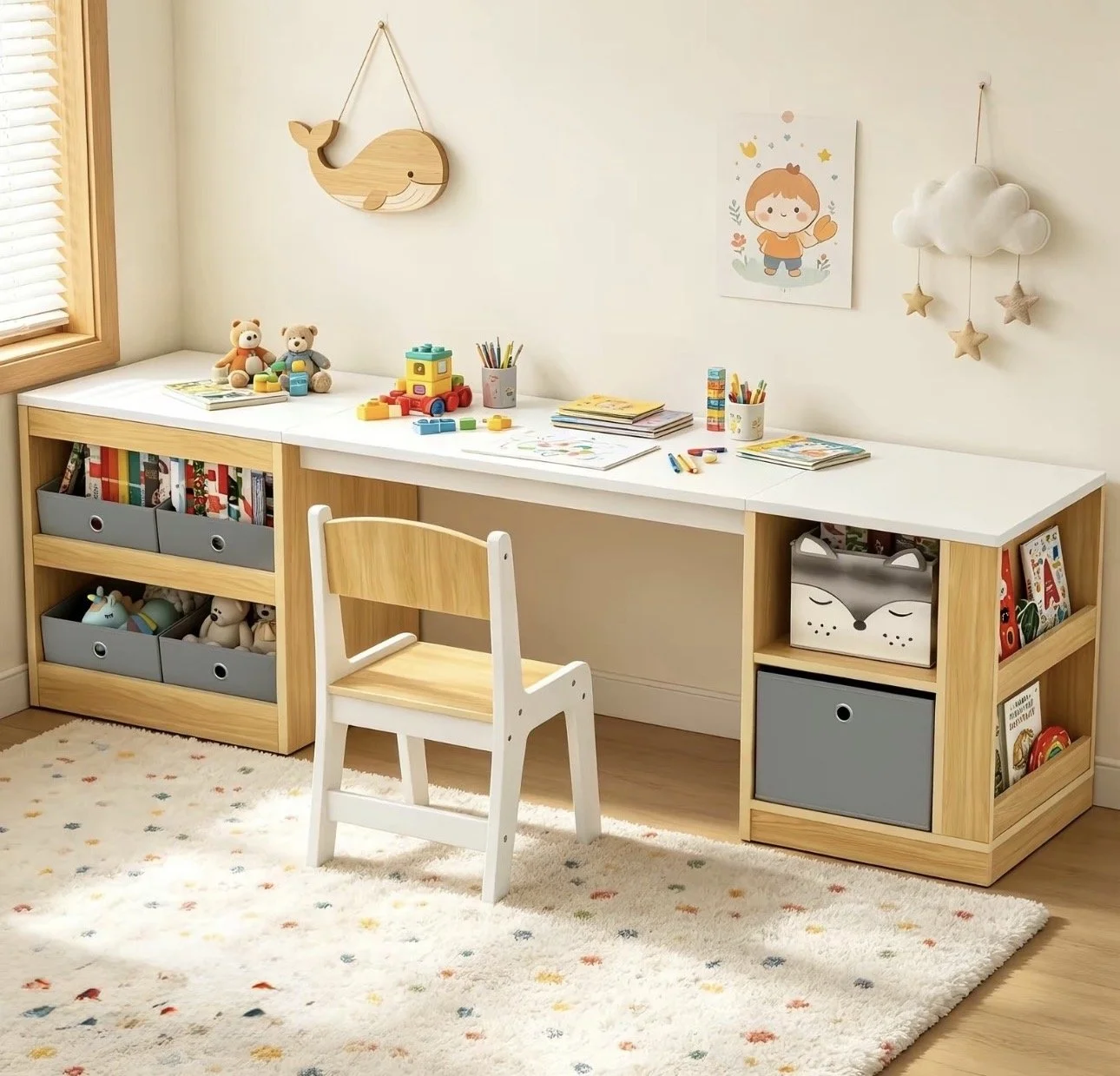
$169 .99 - Modern Kids Study Desk & Chair Set, Natural & White ,Long Toddler Craft Activity Table with Open Cubbies & Pull-out Drawers, Single Child Workstation for Writing, Drawing, Toy Organization, Playroom & Bedroom
Rethinking What a Learning Space Can Look Like
Walk into most learning spaces built for kids and you know the formula immediately: primary-color rugs, laminated alphabet posters, plastic bins, fluorescent lighting. It's a look that's become so standard that most of us don't even question it — it just reads as "this is where children learn."
But that formula was never actually a design choice made with intention. It was mass-produced convenience, optimized for durability and cost, not for how a space makes a child — or the adults who spend their days there — actually feel. And it's increasingly out of step with where home and interior design is heading in 2026.
This is where a brand like Home Tribe could carve out a genuinely distinctive voice: by designing learning spaces that look and feel like home, not like an institution.Instead of bright primary colors, laminated posters, and plastic furniture, picture:
Warm wood in place of laminate and plastic
Linen and natural textiles instead of synthetic, high-gloss fabrics
Vintage and collected pieces rather than matched, mass-produced sets
Beautiful, layered lighting instead of overhead fluorescents
Real artwork and books instead of laminated posters and worksheets
Natural materials — stone, clay, wool, wood grain — instead of molded plastic

$60.98 - FOTOSOK 2 Pcs Kids Bookshelf, Set of 2 Wall Mount 4-Tier Book Shelf Organizer for Toys and Books, Toy Storage Bookshelf for Kids in Bedroom Living Room
Bringing Nature Into the Learning Environment
The second major thread worth pulling on is nature. Plants, natural wood, outdoor learning time, abundant natural light, gardening, and nature collections (pressed leaves, shells, rocks, seasonal finds) all belong in a learning space — not as decoration, but as part of the environment itself.
This connects directly to one of the more significant shifts in home design right now: biophilic design, which has evolved well past "put a plant in the corner." The 2026 version of biophilic design is more holistic — it's about weaving natural light, real materials, and a genuine connection to the outdoors into a space's core structure, not just its accessories. Designers are pointing to real, measurable benefits: research links well-executed biophilic spaces to meaningfully lower stress levels, better focus, and improved mood — exactly the conditions you'd want in a space where kids are expected to concentrate, create, and regulate their emotions for hours a day.
For a learning environment specifically, that might look like:
A reading nook positioned near a window for natural light rather than under a fluorescent panel
A small indoor herb garden or plant shelf kids help maintain
Nature collection displays — a "found objects" shelf that rotates with the seasons
Outdoor learning time built into the rhythm of the day, not treated as a break from "real" learning
Wood, wool, and stone textures kids can actually touch, rather than laminate and plastic
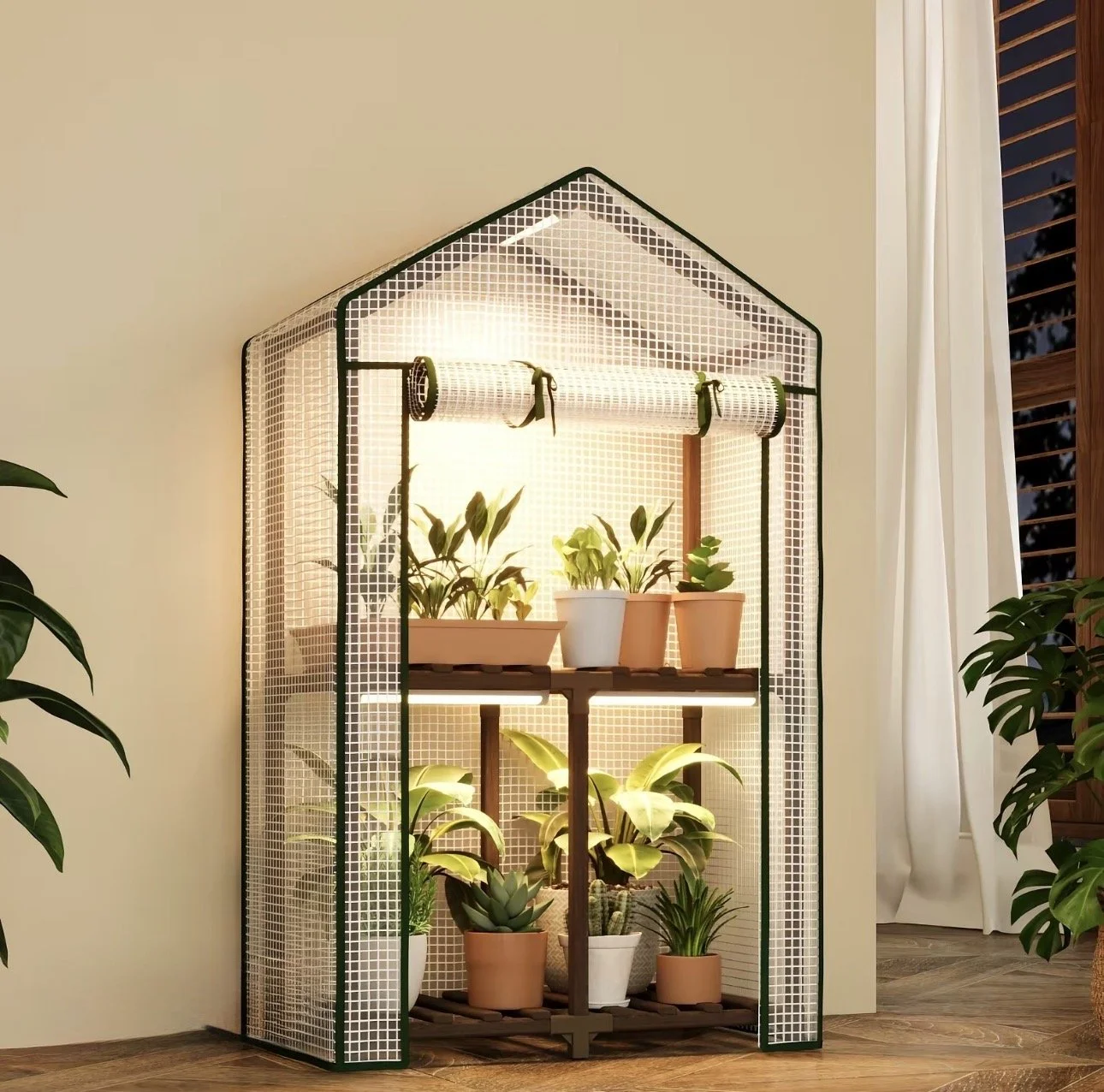
$49.99 - Bamworld 2-Tier Mini Greenhouse - 22-in Wide Eucalyptus Wood Rack, Reusable Portable Warm House with PE Cover, Enhanced Stability Wood Structure, Winter-Proof for Indoor/Outdoor Plant Protection, Special Inner Design, 3-Tier 22" Space, 16-in Tall/Height,,
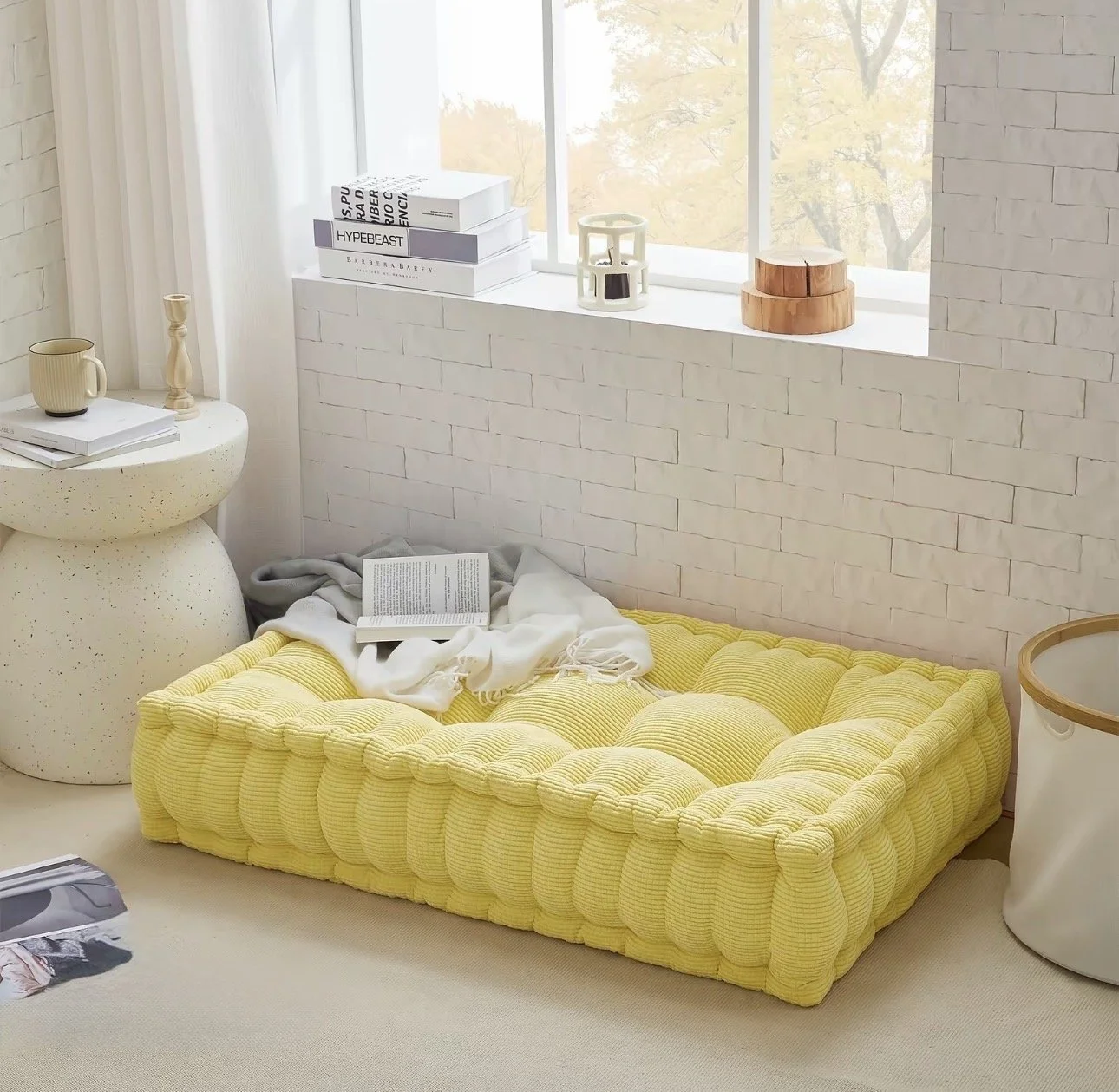
$93.14 - Rainha - Ultra Thick Tufted College Floor Pillow - Yellow
This isn't just an aesthetic preference. It reflects where interior design broadly is heading in 2026. Designers this year are moving decisively away from stark, overly-styled minimalism toward homes that feel warm, textured, and personal — spaces built from collected, meaningful pieces rather than matching sets, with a renewed emphasis on craftsmanship, natural materials, and rooms that feel lived-in rather than staged. The defining idea showing up across nearly every 2026 design forecast is the same: texture and warmth are replacing sterility, and personality is replacing polish.
A learning environment designed with that same sensibility doesn't just look nicer in photos. It signals something to the child spending their day there: this space was made thoughtfully, for you — not assembled from a school-supply catalog.

$7.07 - Bohemian Rainbow Inspirational Quotes Wall Stickers Set of 4 (30x90cm), Self-Adhesive Decorative Wall Decals for Living Room Bedroom Bathroom, Wall Art Stickers, Home Decor, Interior Stickers, Decoration
Why This Matters Beyond Aesthetics
None of this is really about making a space look good on Instagram, even though it will. A classroom that looks like a home — warm, textured, connected to natural light and materials — sends a different message than one built entirely from institutional supply catalogs. It says that childhood, learning, and daily life don't need to be visually separated into "serious" and "comfortable." They can be the same thing.
For microschools, homeschool co-ops, and other alternative learning spaces already rethinking what they teach and why, rethinking what the room looks like is a natural next step — and one that's very much in step with where design, as a whole, is headed in 2026: toward spaces that are warmer, more natural, and more genuinely personal.
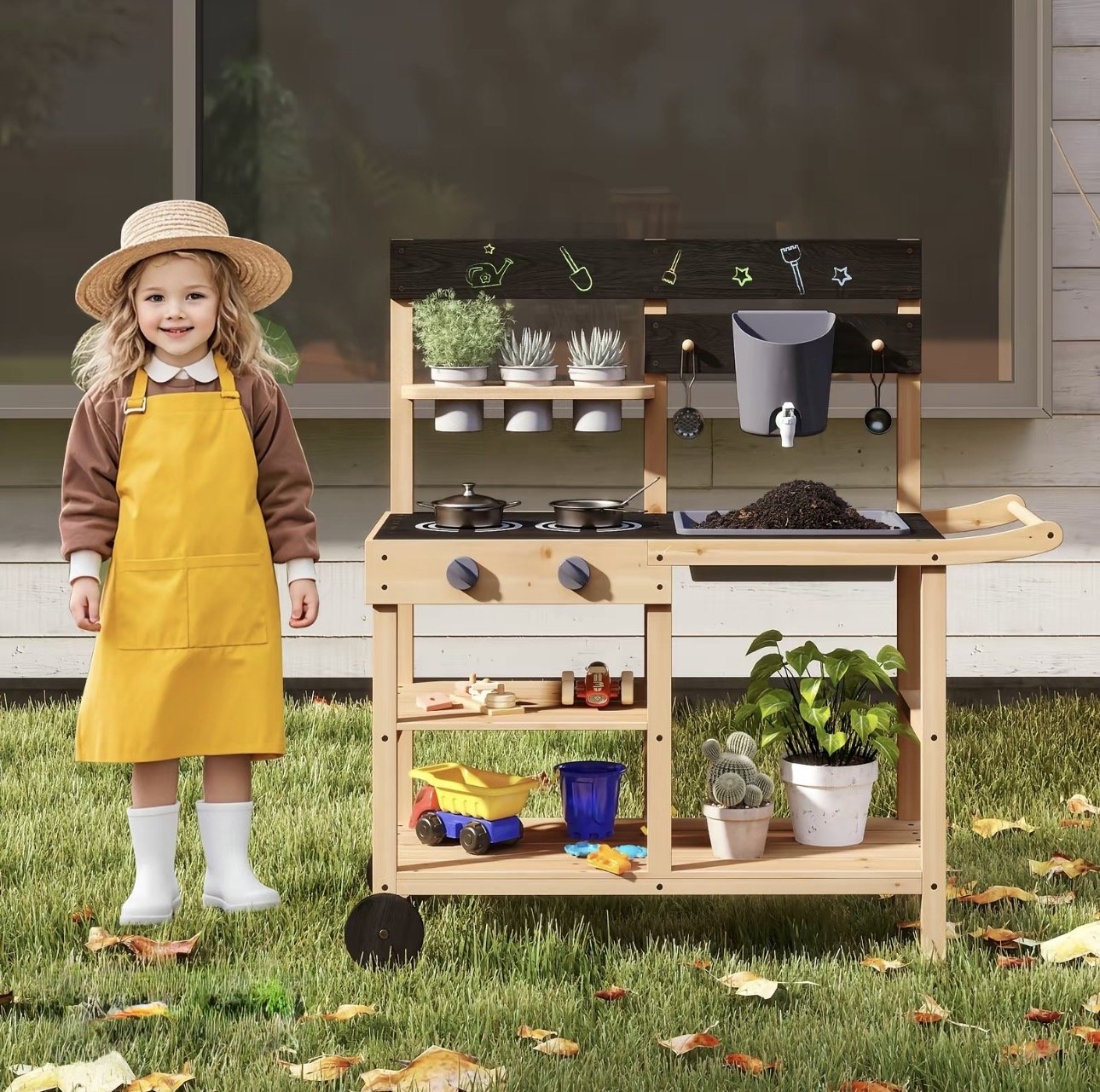
$49.99 - Costzon Wooden Kids Play Kitchen, Outdoor Mud Kitchen with Removable Sink, Water Box & Faucet, Stove Top, Storage Shelves, Fun Backyard Pretend Kitchen Playset , 4th of july decor, dad gift tiktokshopbacktoschool tiktokshopbacktoschool tiktokshopbacktosch
This article draws on 2026 interior design trend coverage from Homes & Gardens, Woodgrain, Sacksteder's Interiors, Salt & Creek, and recent reporting on biophilic design.